Understanding mobile casino payments means knowing how money moves in and out, what each method verifies, and where fees can appear, well before you think about a single game. This measured overview, prepared alongside the mobile guide at Casino Bros Australia, walks through the options an Australian reader is likely to meet on a phone. It is general information for adults, not a recommendation, and it assumes you already know that the payment rail you choose has no effect on the odds.
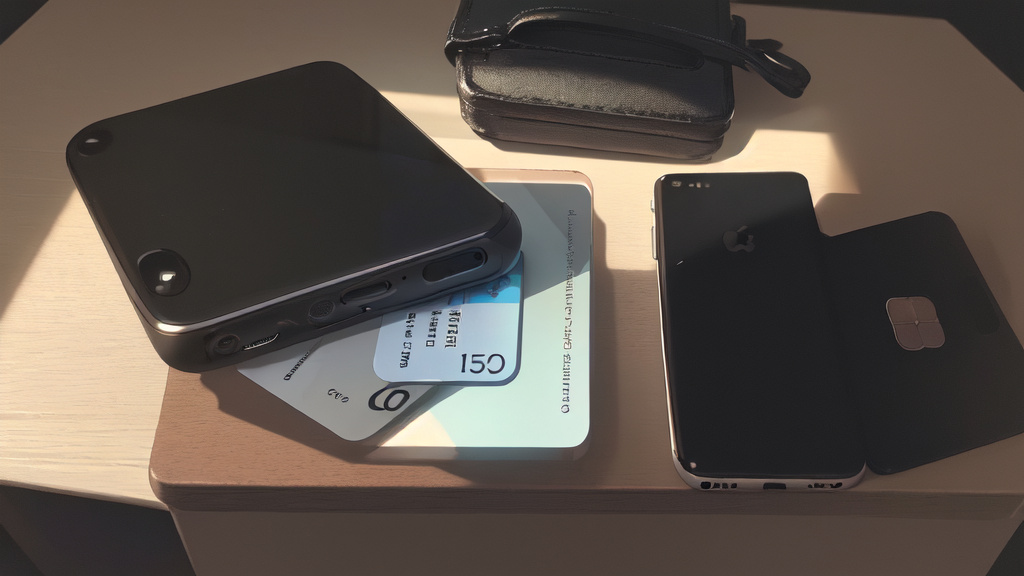
The common options at a glance
Most methods fall into a few families: mobile wallets built into the phone, debit and credit cards, third-party e-wallets, and bank transfers including PayID-style instant payments. Each trades convenience against speed and traceability in a slightly different way. None of them is inherently safer than being honest with yourself about how much you are moving, and all of them leave a record you can review in your banking app.
Mobile wallets such as Apple Pay and Google Pay
A mobile wallet stores a tokenised version of your card so the merchant never sees the real number, and it confirms each payment with your fingerprint, face or passcode. That tokenisation is a genuine privacy gain. The broader idea of a mobile payment is to let a device stand in for a physical card while adding a device-level check. It does not, however, slow spending down, so the convenience cuts both ways. The short video below outlines how these wallets work.
Cards, e-wallets and PayID-style transfers
Cards are familiar and reversible through a bank in some cases, while e-wallets add a layer between your bank and the merchant. PayID-style bank transfers move money quickly between Australian accounts using a simple identifier. The table compares them on the points that tend to matter in practice.
| Method | What to keep in mind |
|---|---|
| Mobile wallet | Fast and tokenised, but spending feels frictionless |
| Debit or credit card | Widely accepted; check terms on gambling transactions |
| E-wallet | Adds a buffer; may carry its own fees |
| PayID-style transfer | Quick bank-to-bank; confirm the name matches |
Verification before your first withdrawal
Most services run identity checks before releasing a first withdrawal, which is normal and exists partly to meet anti-money-laundering rules. Expect to confirm who you are and that the account is yours. A few habits make this smoother and safer.
- Pay only from an account or card held in your own name
- Have identity documents ready for verification requests
- Read the stated processing times before you deposit
- Check whether any fee is added at deposit or withdrawal
- Keep your own record of transactions in your banking app
Fees, timing and the odds
Fees and clearing times vary by method and by service, so read the specific terms rather than assuming. Withdrawals often take longer than deposits because of verification. One thing does not vary: the payment method never changes the house edge. Choosing a faster rail moves money sooner, not better, and the long-run maths of the games sits entirely apart from how you fund them.
A balanced view
Picking a sensible payment method keeps your finances tidy and your identity protected, but it has no bearing on whether a game pays out. The house edge applies to every bet regardless of how it is funded. This is general information for adults aged 18 and over, not a recommendation; online casino play is restricted in Australia under national law, so such services operate from offshore, and you should check the rules that apply to you and gamble responsibly. If gambling is causing harm, free support is available through Gambling Help Online.
